
محتوى المقالة
ToggleLaser treatment for hemorrhoids is one of the advanced and effective options available for managing this common health condition. Laser technology offers a modern, minimally invasive approach that helps improve the condition and provides patients with a more comfortable treatment experience.
Hemorrhoids occur due to the dilation of blood vessels in the anal and rectal area, leading to symptoms such as pain, bleeding, and itching. The goal of laser treatment is to reduce these symptoms and improve the patient’s quality of life.
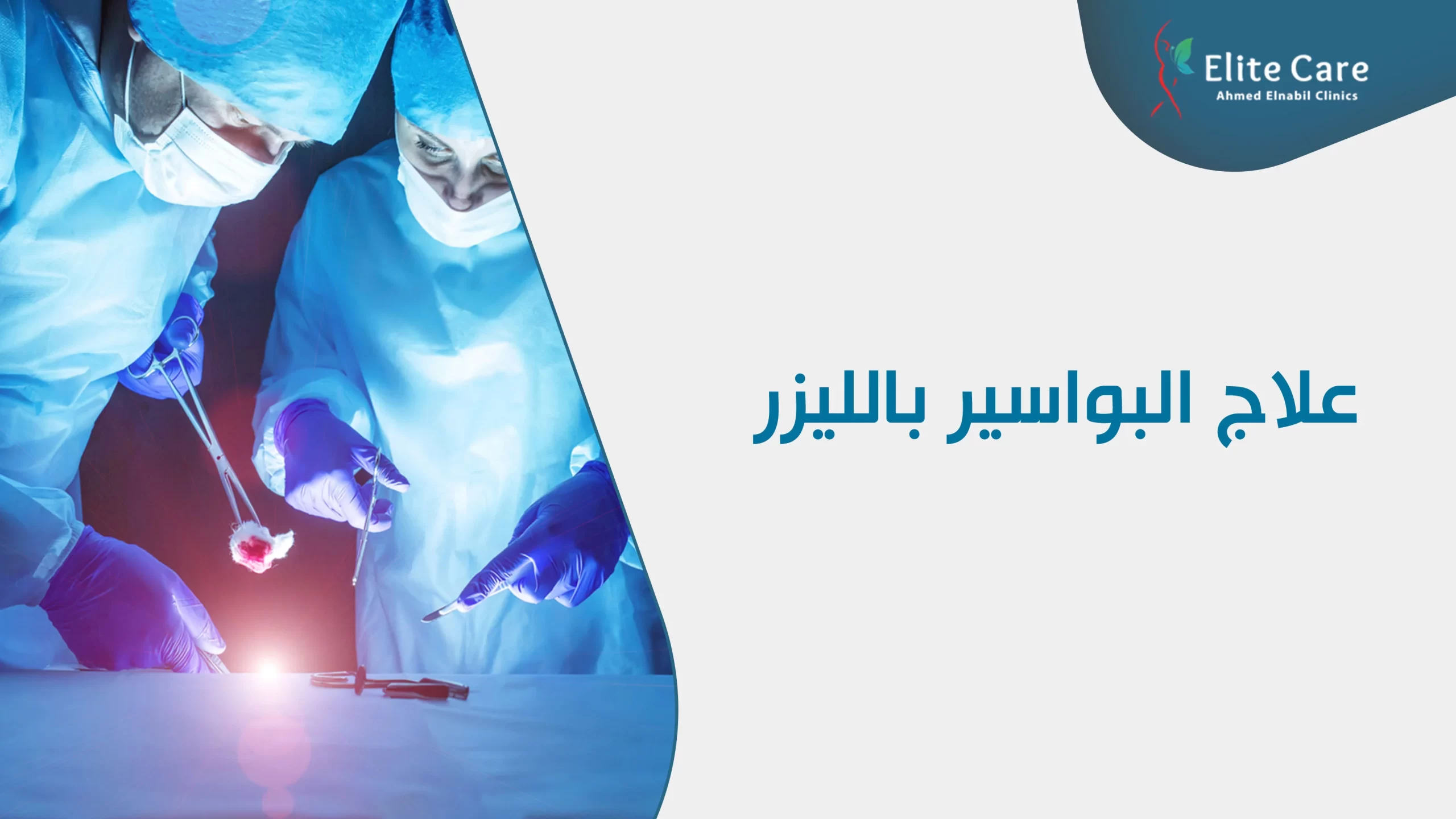
How Laser Hemorrhoid Treatment Works
The doctor uses a laser to remove or shrink hemorrhoids. This method can be effective for both internal and external hemorrhoids, reducing pain, bleeding, and irritation. A thin tube containing the laser is inserted into the anal opening, where the laser is directed at the affected tissues, causing them to shrink or be removed.
At Elite Care Clinics, we provide a comprehensive explanation of the procedure, ensuring that our patients receive full support and comfort at every stage of treatment. Our specialized medical team is dedicated to meeting your needs and ensuring your recovery.
Steps of Laser Hemorrhoid Treatment
Laser hemorrhoid treatment can be performed in several ways. The general steps include:
Anesthesia: The doctor administers local or general anesthesia, depending on the patient’s condition, ensuring the procedure is painless.
Laser probe insertion: A thin laser probe is inserted into the anal canal to target the hemorrhoids.
Shrinkage of hemorrhoids: The laser energy works from the inside out, shrinking the hemorrhoid tissue.
Strategic application: Laser fibers are placed in the center of each hemorrhoid and activated, gradually returning the tissue to its normal size.
Laser Haemorrhoidectomy
Laser treatment uses focused energy in selected hemorrhoid procedures, but the term describes different techniques. Suitability depends on hemorrhoid grade, prolapse, bleeding, external disease, previous treatment, and excluding other causes.
The final plan explains benefits, alternatives, risks, recovery, follow-up, and warning signs. Results vary with diagnosis, anatomy, health, healing, and adherence, so no responsible clinician can guarantee a specific outcome.
Who is a suitable candidate?
Suitability depends on diagnosis, symptom severity, general health, medicines, smoking, previous procedures, realistic goals, and the ability to follow recovery and long-term care. A consultation should compare treatment with reasonable non-surgical alternatives.
The clinician reviews benefits, limitations, and factors that increase risk or change timing. A promoted technique is not automatically appropriate, and another specialty, test, or period of medical treatment may be needed first.
Is Laser an Effective Treatment for Hemorrhoids?
Yes, laser treatment is considered one of the best methods for hemorrhoids. Studies have shown that it is highly effective in reducing pain, bleeding, and irritation, with very low complication rates such as infection or excessive bleeding.
A 2022 study reported that 95% of patients experienced significant relief of pain and bleeding after laser hemorrhoid treatment, with only 5% developing minor complications like mild infection or bleeding.
Overall, laser hemorrhoid treatment is a safe and effective option for both internal and external hemorrhoids, helping patients quickly relieve symptoms with minimal risk of complications.
Why Laser is Better Than Surgery for Hemorrhoids
The choice of treatment depends on the severity of symptoms and the patient’s overall health. However, there are several reasons why laser treatment is often preferred over traditional surgery:
Less pain: Laser treatment is usually less painful, especially since local or general anesthesia is used.
Faster recovery: Most patients return to their normal activities within 1–2 days, compared to weeks or months with traditional surgery.
Lower risk of complications: Laser procedures carry a lower risk of infection, excessive bleeding, or recurrence.
Studies confirm that laser treatment provides effective symptom relief with low recurrence rates.
Expected Results of Laser Hemorrhoid Treatment
The results depend on the severity of the hemorrhoids, the type of laser used, the treatment technique, and the patient’s individual response. Expected outcomes include:
Reduction in pain through decreased inflammation and swelling.
Shrinkage of hemorrhoids and relief from associated swelling.
Assessment and preparation
Assessment may include examination, laboratory testing, imaging, endoscopy, photographs, or tissue diagnosis according to the condition. Patients should provide complete medical history, allergies, medicines, previous reports, and any recent change in symptoms.
Preparation may involve fasting, medicine adjustments, smoking cessation, nutrition, or anesthesia review. Prescribed medicines, including blood thinners or diabetes treatment, should never be stopped without individualized instructions from the responsible clinical team.
Treatment and alternatives
Treatment can be conservative, medical, endoscopic, or surgical depending on the diagnosis. The plan should explain what the procedure changes, what it cannot guarantee, how alternatives compare, and what findings could require modification.
Informed consent covers anesthesia, scars or access routes, pain, recovery, possible additional procedures, and effects on function. Patients need enough time to ask questions and decide without relying on marketing promises or another person’s experience.
Improvement of symptoms such as itching, burning, and bleeding.
Enhanced healing and faster recovery.
Lower risk of recurrence in some cases.
Can Laser Be Used for All Hemorrhoid Cases?
No, laser treatment is not suitable for every case. It is mainly used for specific conditions, such as cases with severe bleeding or large swelling. At Elite Care Clinics, doctors carefully evaluate each patient’s case to determine the best treatment based on:
Type and severity of hemorrhoids.
Patient’s overall health.
Doctor’s expertise and preferred technique.
Other treatment options may include dietary changes, lifestyle modifications, medications, or alternative minimally invasive procedures.
Risks and warning signs
Risks vary by treatment and may include bleeding, infection, clots, wound problems, injury to nearby structures, persistent symptoms, or anesthesia complications. Careful selection and follow-up reduce risk but cannot eliminate every complication.
Urgent advice is required for breathing difficulty, chest pain, fainting, heavy bleeding, fever with deterioration, increasing severe pain, persistent vomiting, or other warning signs listed at discharge. Online information cannot diagnose emergencies.
Recovery and follow-up
Recovery instructions cover medicines, movement, hydration, diet, wound or device care, work, driving, and physical restrictions. The schedule depends on the procedure and response, so patients should follow their written plan rather than general timelines.
Follow-up checks healing, symptoms, test results, nutrition, function, and treatment effectiveness. New problems or lack of improvement may require investigation or a revised plan instead of simply repeating medicines or delaying review.
Care at Elite Care
Costs depend on assessment, procedure, anesthesia, facility, equipment, medicines, and follow-up. A written plan should clarify included services, likely additional costs, alternatives, and emergency support rather than providing one number before evaluation.
At Elite Care, patients receive individual assessment and balanced discussion of benefits, risks, alternatives, recovery, and follow-up. Bring previous reports and a medicines list, and ask about expected outcomes, limitations, and urgent contact.
How should treatment options be compared?
Compare options by diagnosis, expected benefit, risks, recovery, and effects on existing health conditions, not by price or procedure name alone. Ask why one approach is recommended and what findings could change the plan.
Also review the team’s experience, facility, anesthesia, emergency support, follow-up, and realistic outcomes. A sound choice cannot remove all risk, but it creates an informed plan instead of relying on broad promotional promises.
Questions to ask before treatment
Write down questions about diagnosis, alternatives, complications, pain, work, medicines, costs, and follow-up. Bring reports, imaging, allergy details, and a medicines list, and mention pregnancy, breastfeeding, smoking, or previous blood clots.
Confirm fasting, diet, movement, wound care, and emergency contact instructions. Informed consent means understanding benefits, limitations, and alternatives, with enough time to decide without pressure and with a clear plan for aftercare.
Best Clinic for Laser Hemorrhoid Treatment
Elite Care Clinics is among the leading centers in Egypt offering laser hemorrhoid treatment, with unique advantages:
Expert doctors: Highly qualified specialists with extensive experience in performing this procedure.
Latest technology: State-of-the-art laser systems that ensure safer and more effective outcomes.
Comprehensive care: From education and preparation to post-operative follow-up, patients receive full support throughout their treatment journey.
High-quality standards: We follow international medical guidelines while providing integrated care at competitive prices.
Looking for a safe, effective, and fast solution?
Laser hemorrhoid treatment may be the right choice for you. Book now with the expert team at Elite Care Clinics.